Solar Panorama
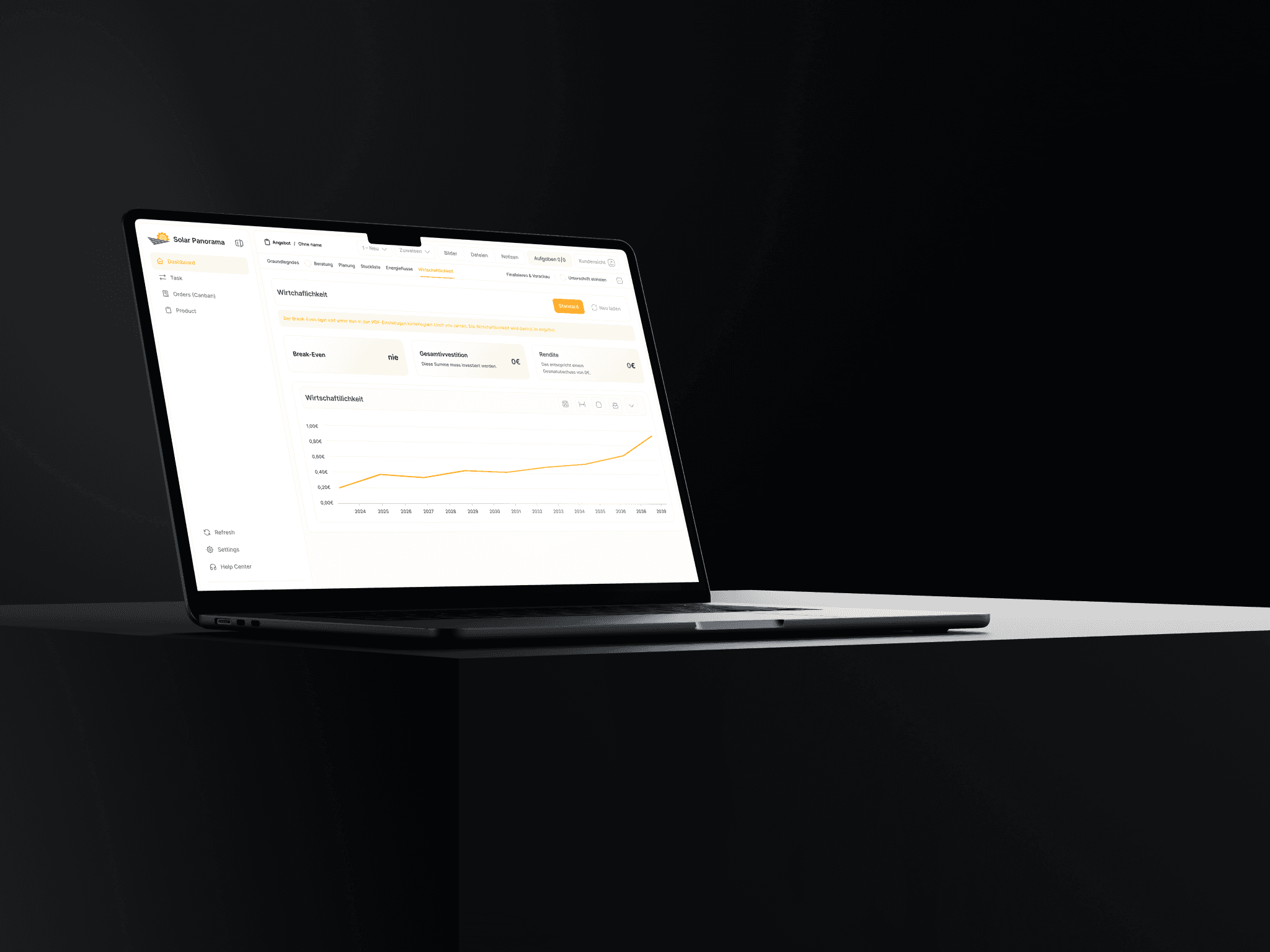
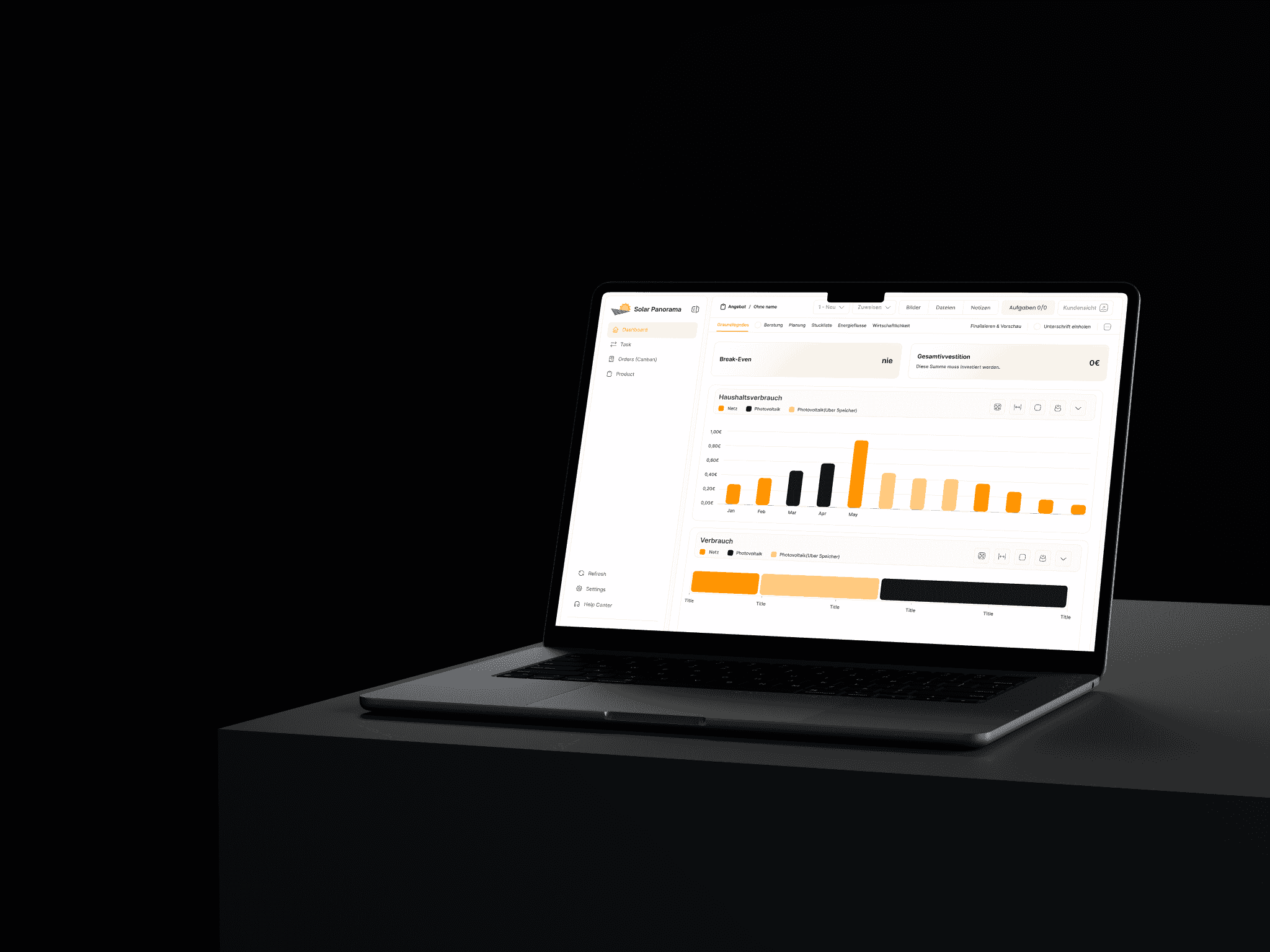
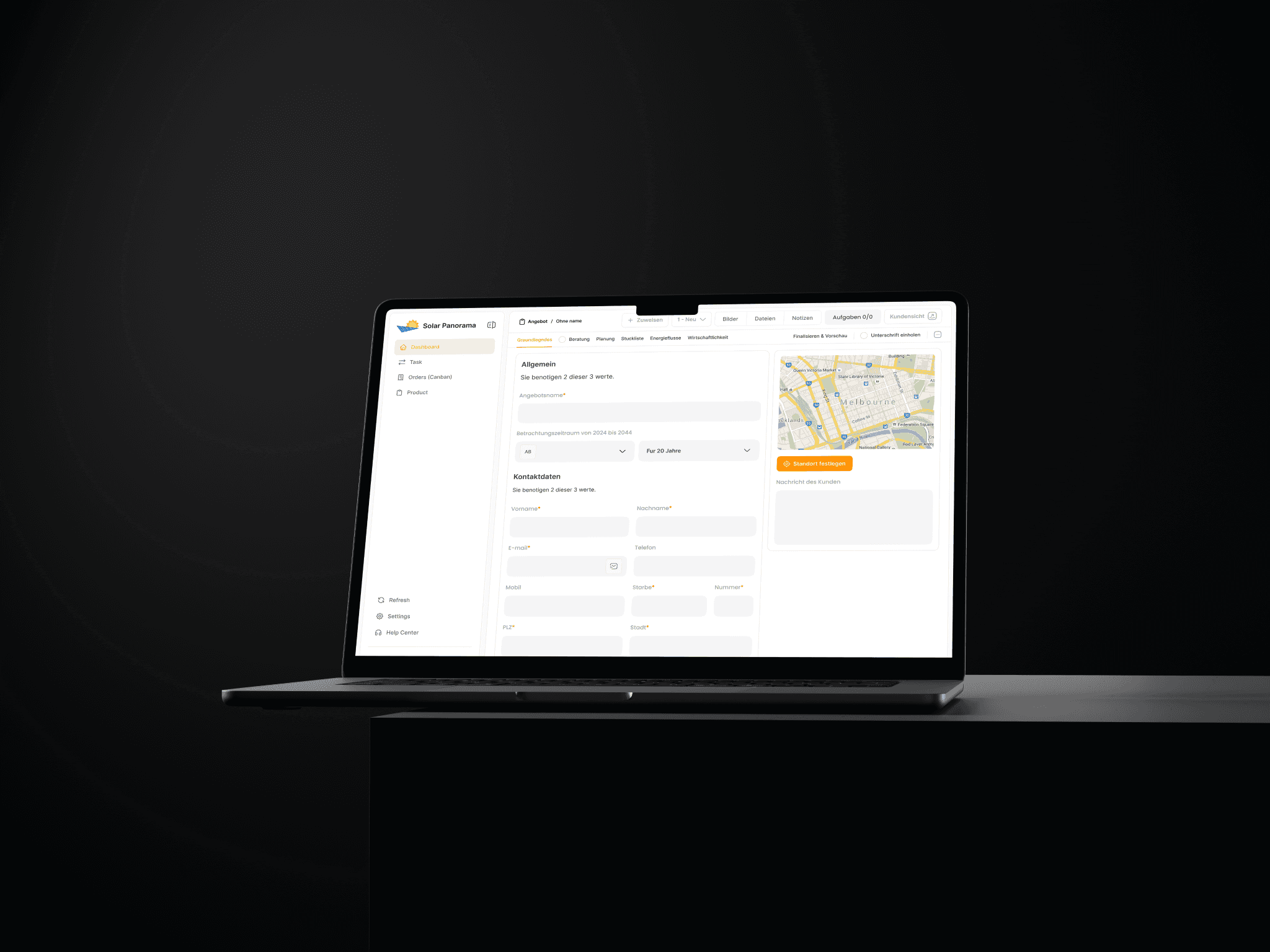
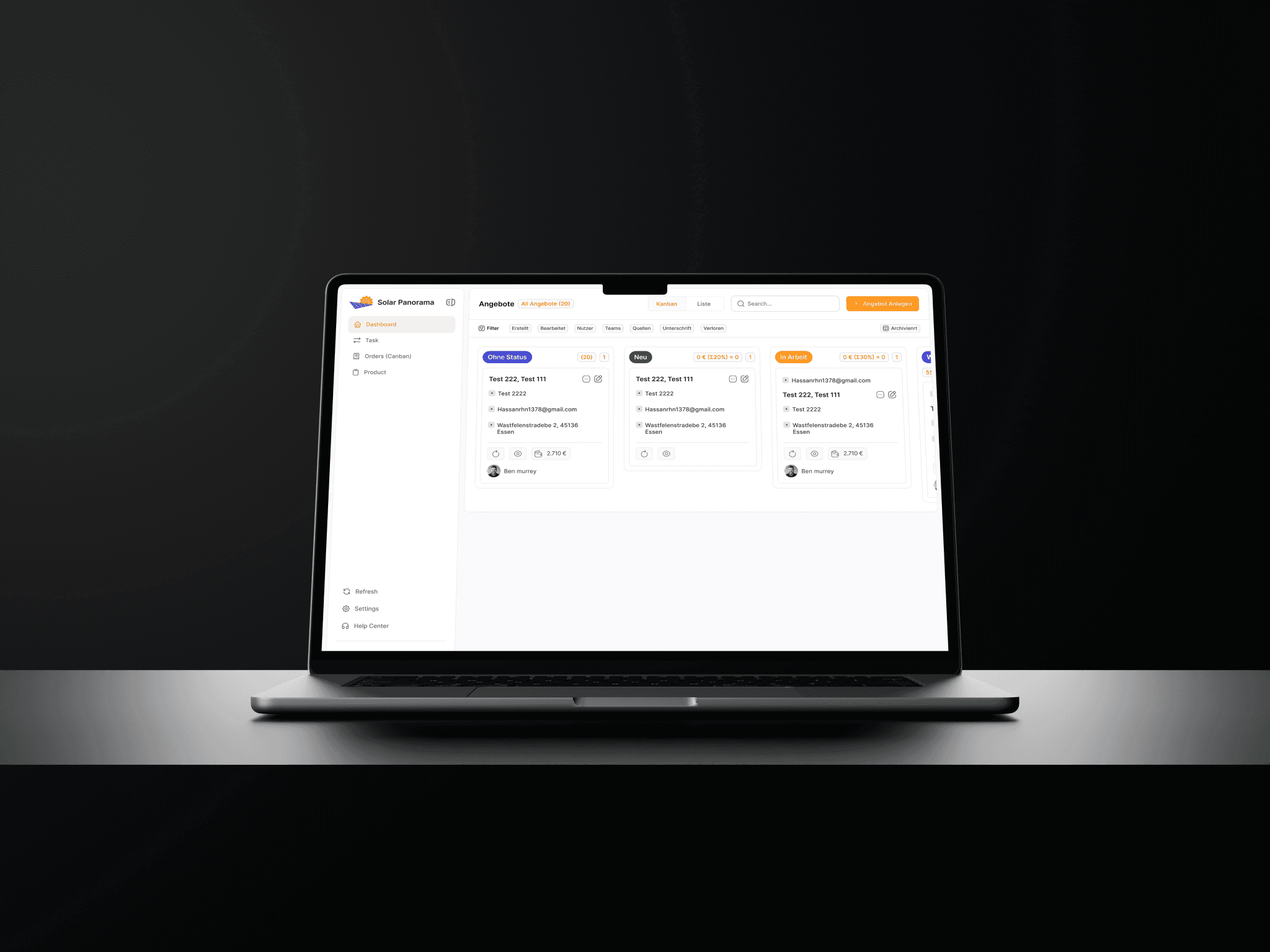
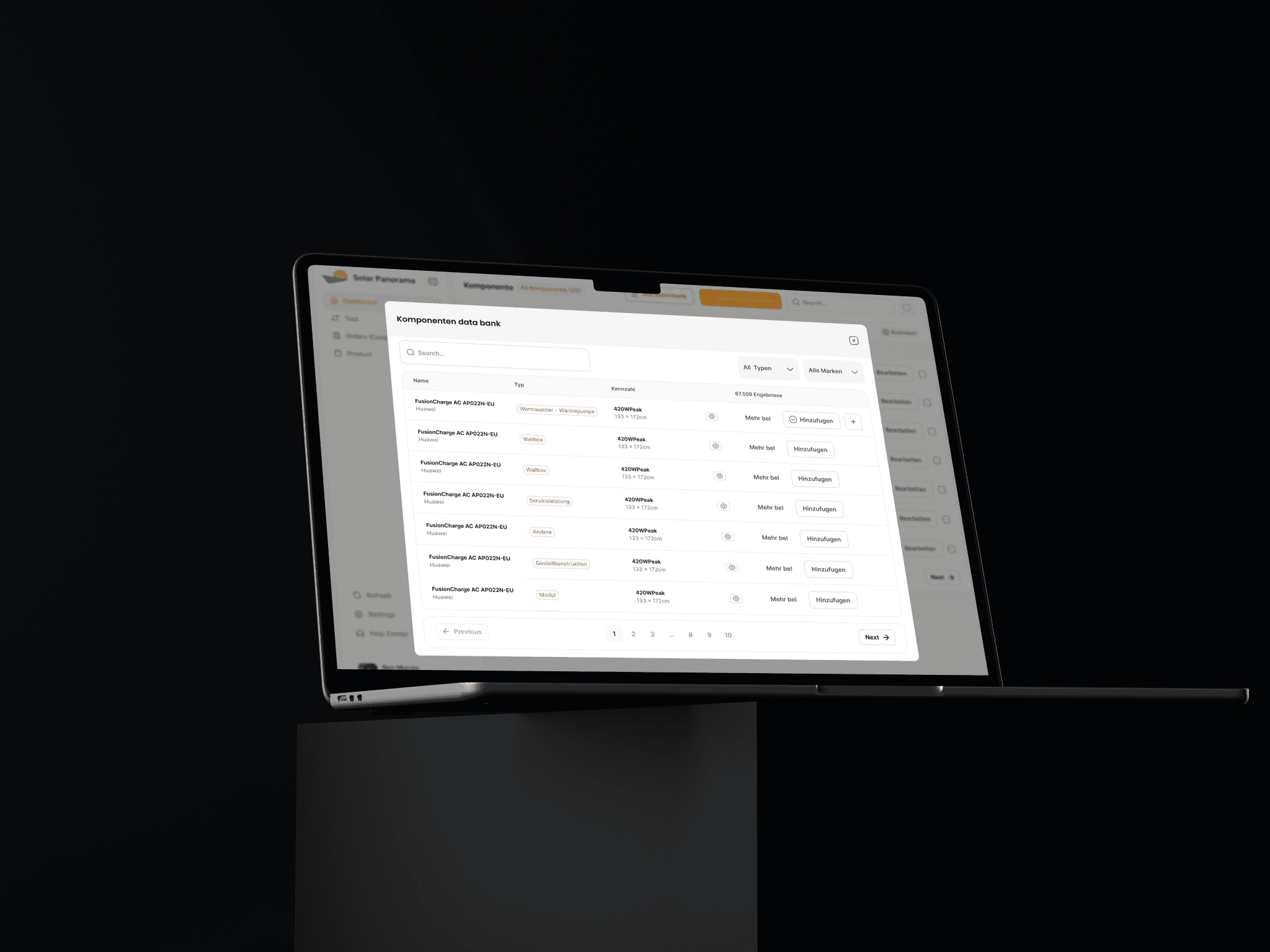
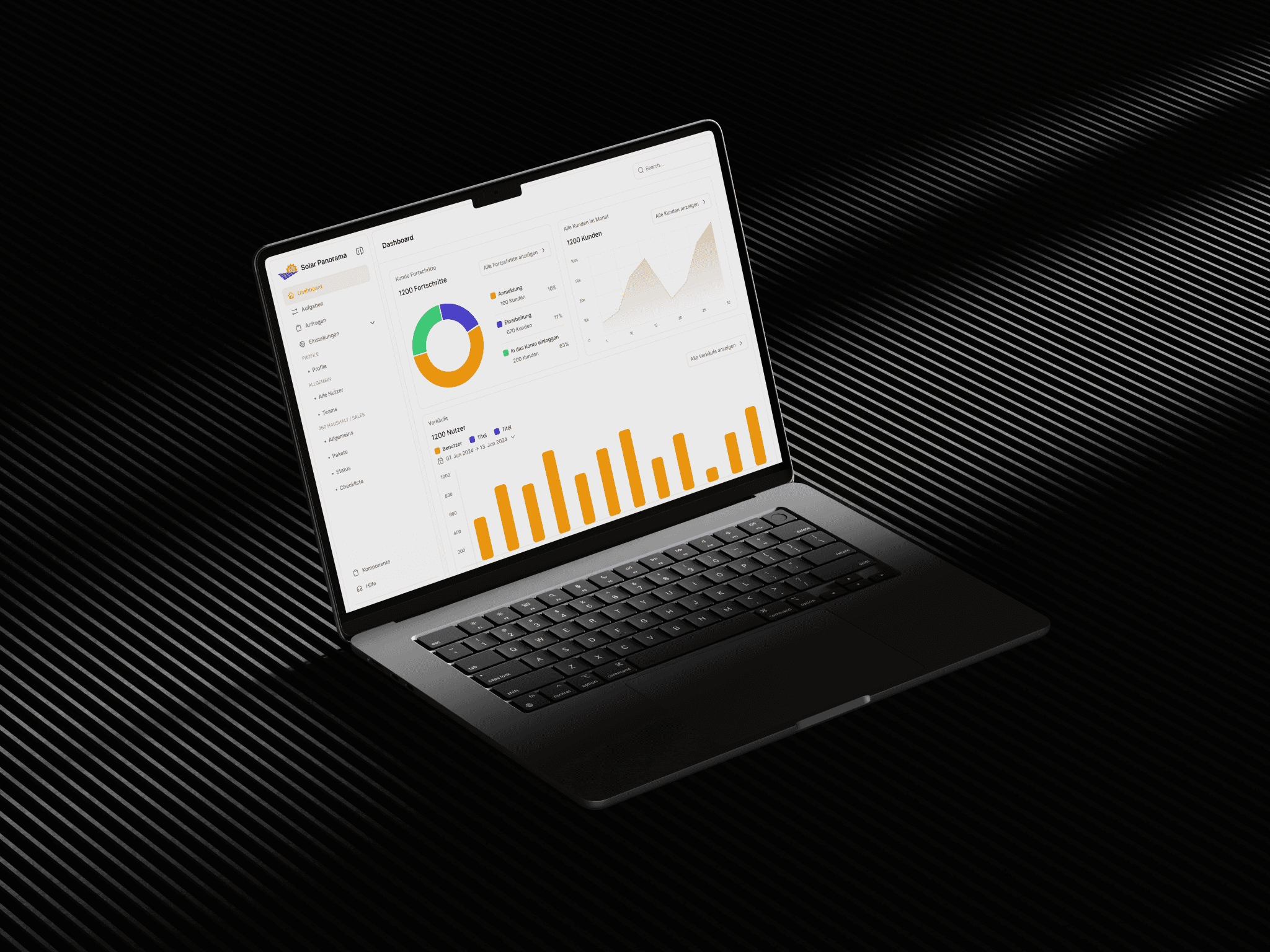
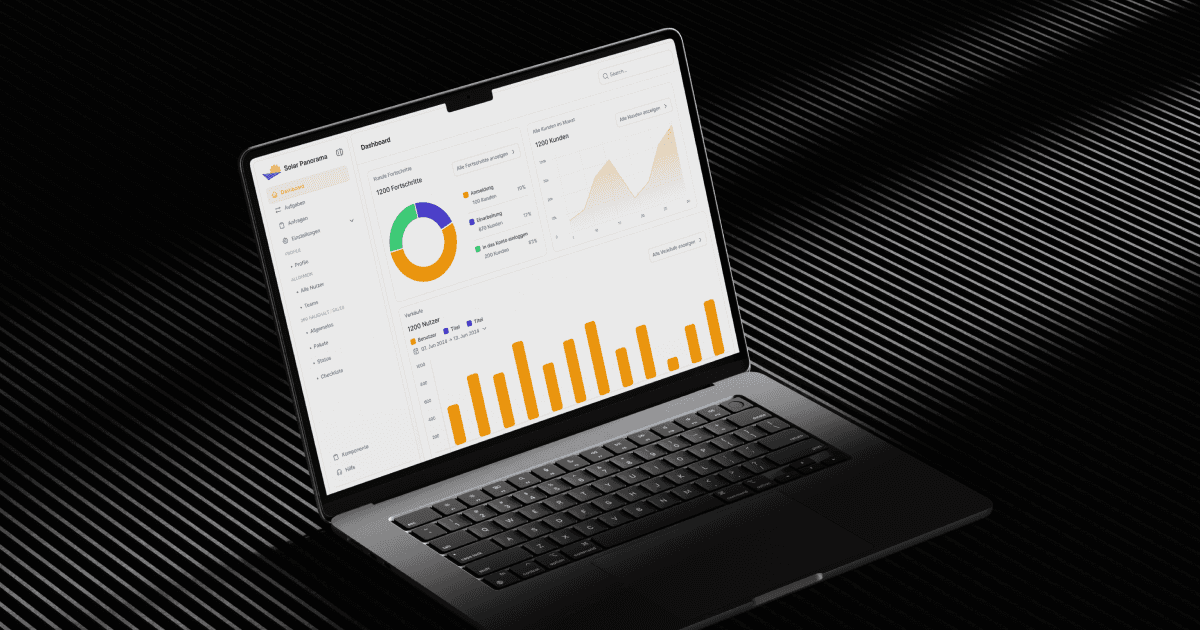
Solar Panorama is an AI-based project designed to assist individuals involved in installing solar panels in Germany. The system helps users efficiently manage the process from customer acquisition to the final installation of solar panels. Key features include optimizing the customer journey, reducing operational errors, and minimizing customer loss. By analyzing data and providing intelligent solutions, this system aims to improve the quality of solar panel installation services and reduce associated costs.
My Role
Responsibilities
As a product designer, I conducted market research, contributed to the design, and helped the startup develop its business. I selected the best features for the initial phase and moved the improved ones to the next stage.
About Solar Panorama
Solar Panorama is an AI project designed to streamline solar panel installations in Germany. It optimizes the customer journey, reduces operational errors, and minimizes customer loss. Analyzing data and providing smart solutions, enhances service quality and lowers costs.
Design Process
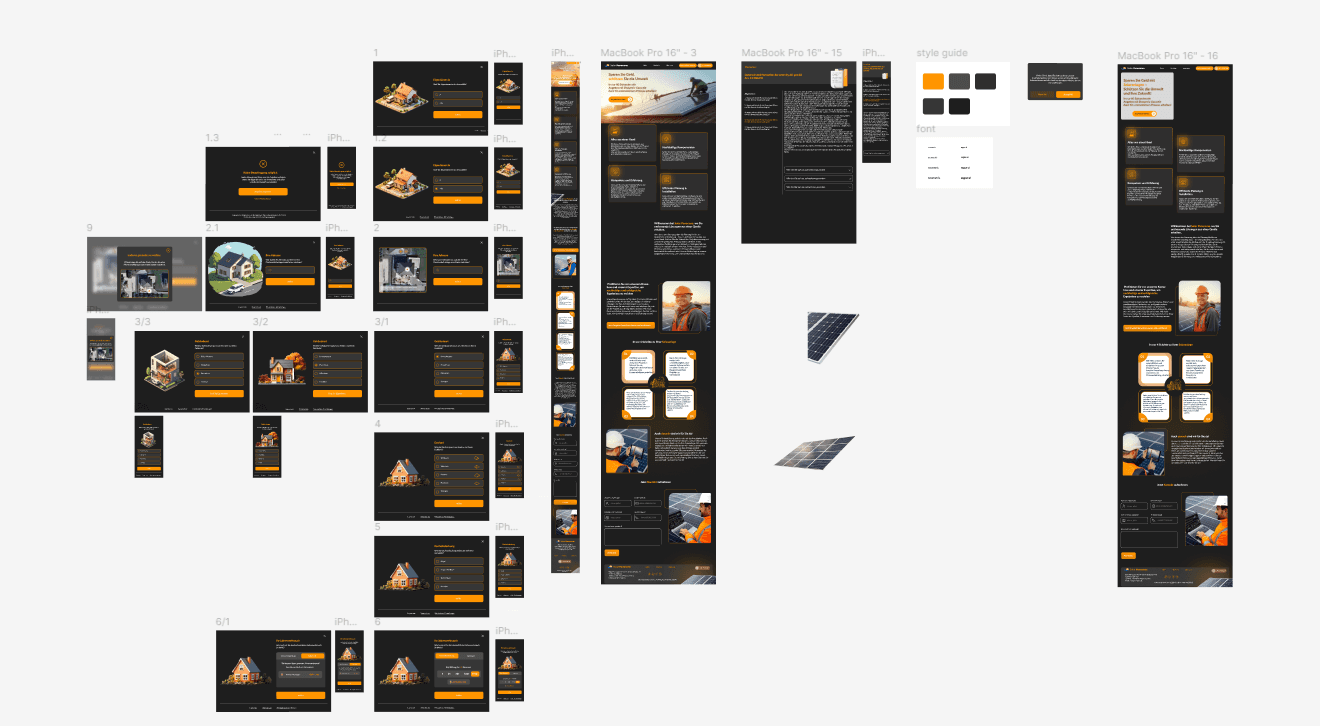
The design process for Solar Panorama focused on creating an intuitive, user-friendly interface to streamline solar panel installations in Germany. The goal was to simplify the user experience, from customer acquisition to final installation, by incorporating key features that reduce errors and enhance efficiency. Through market research and user feedback, the design emphasized optimizing workflows, minimizing customer loss, and ensuring seamless integration of AI-powered insights. By prioritizing functionality and ease of use, the design aimed to improve service quality and reduce operational costs for both users and businesses.
Design Process
Interview with Founder and Development Team
Purpose: Gain insights into the vision, goals, and technical constraints of the project.
Meeting with the founder and development team to understand their expectations, challenges, and key priorities ensures that the design aligns with the overall strategy.
Competitor Analysis (B2B Projects)
Purpose: Understand the market landscape by reviewing demos from competitors.
A thorough analysis of competitors' B2B projects helps identify strengths, weaknesses, and opportunities to differentiate Solar Panorama's solution.
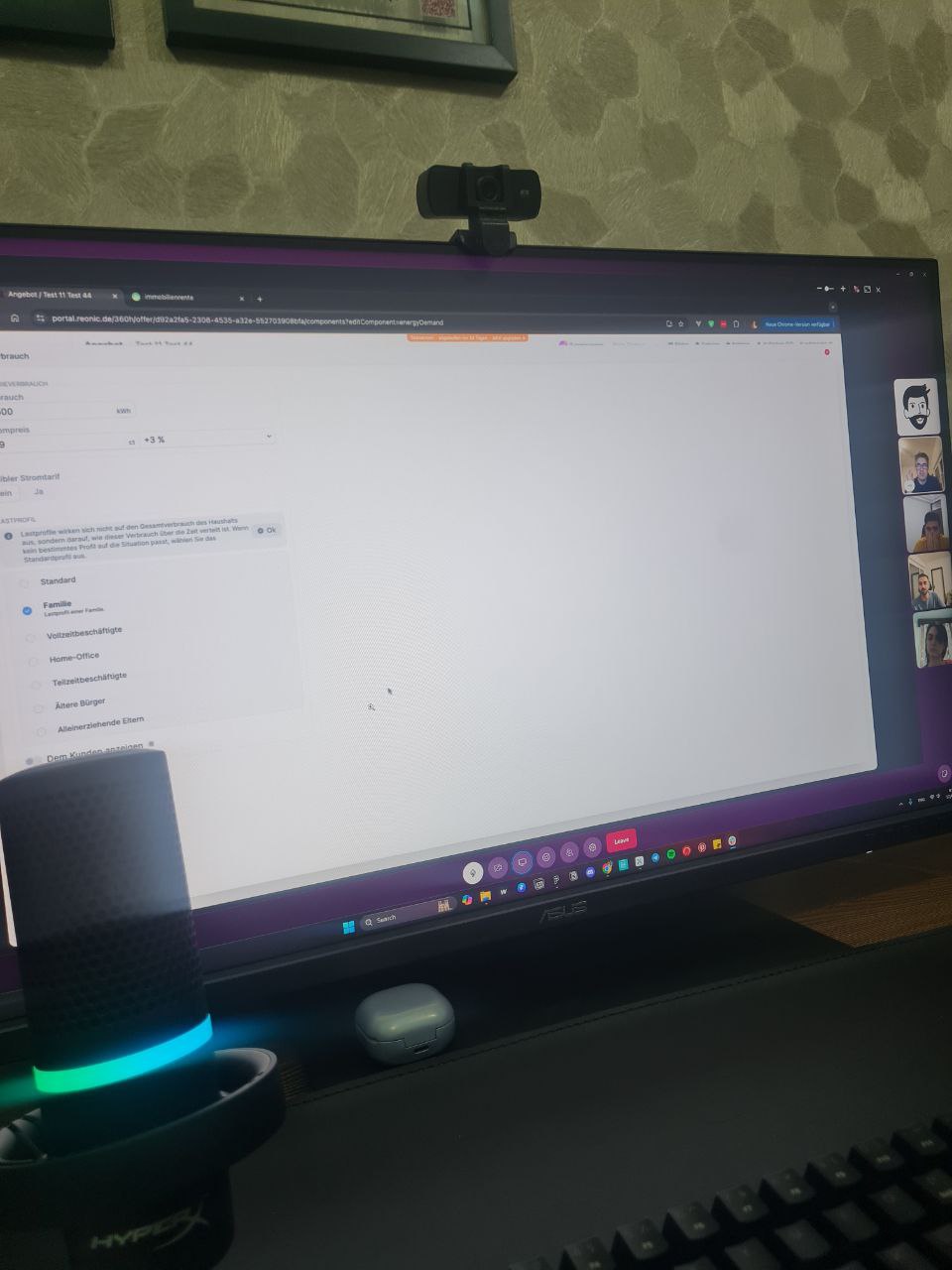
Collaborative Research with the Team
Purpose: Gather insights and brainstorm ideas with cross-functional team members.
Researching as a team fosters collaboration and diverse perspectives, ensuring the design reflects user needs and business objectives.
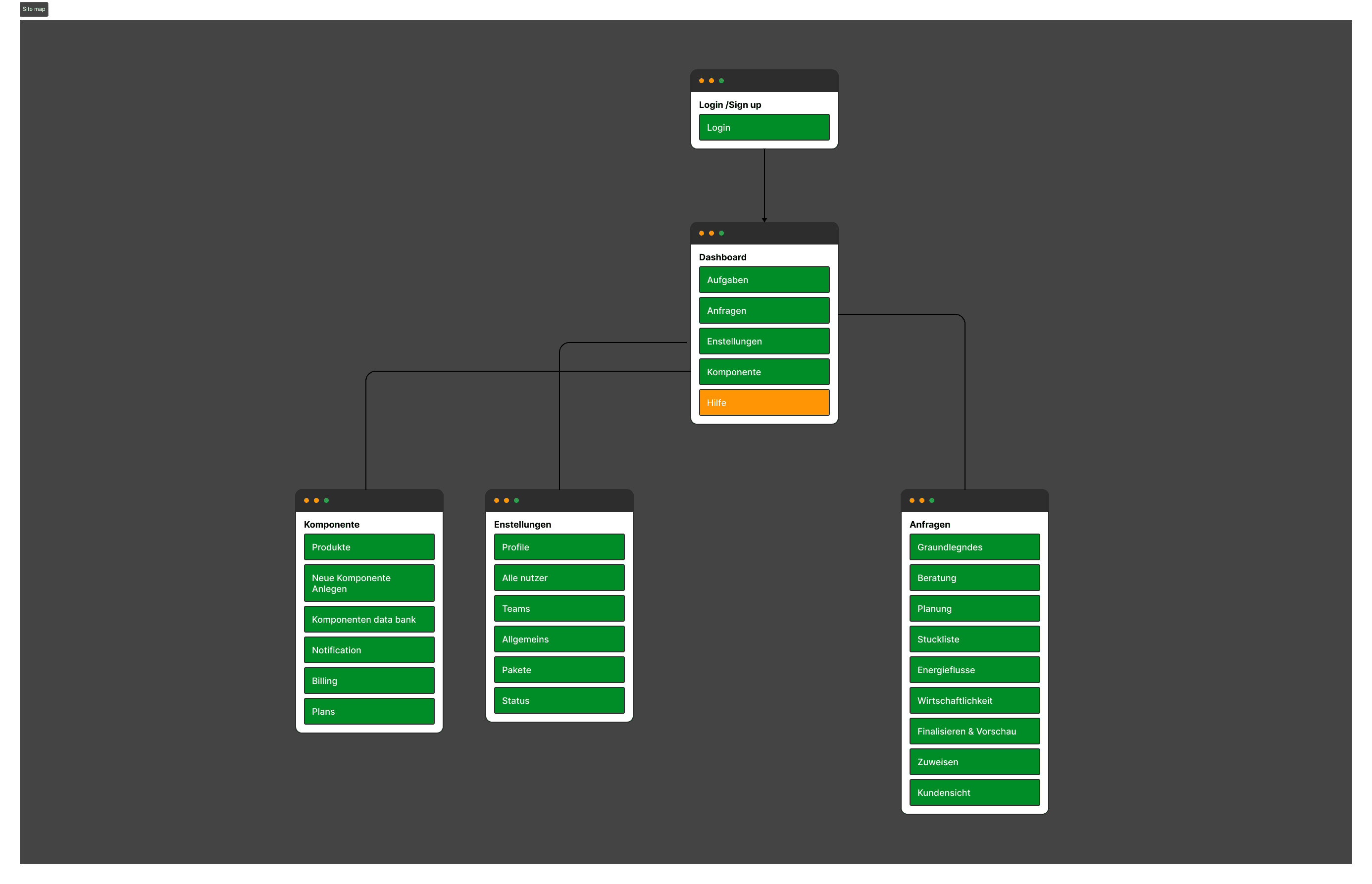
Create a Sitemap
Purpose: Structure the website for optimal user navigation and content organization.
A well-planned sitemap serves as the blueprint for the website, ensuring logical flow and ease of use for the end users.
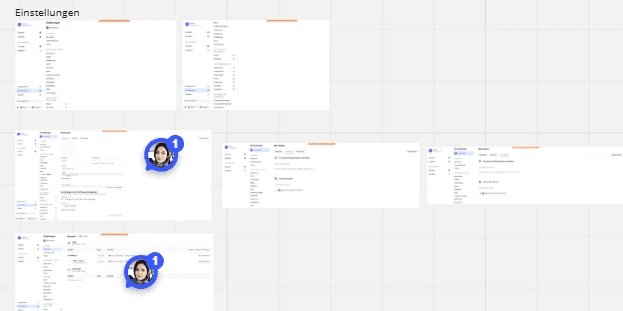
Review Website Logic for Dashboard Design
Purpose: Ensure the dashboard's functionality aligns with user requirements.
Checking the logic of the website and understanding user workflows is critical for designing a dashboard that simplifies operations and delivers key insights.
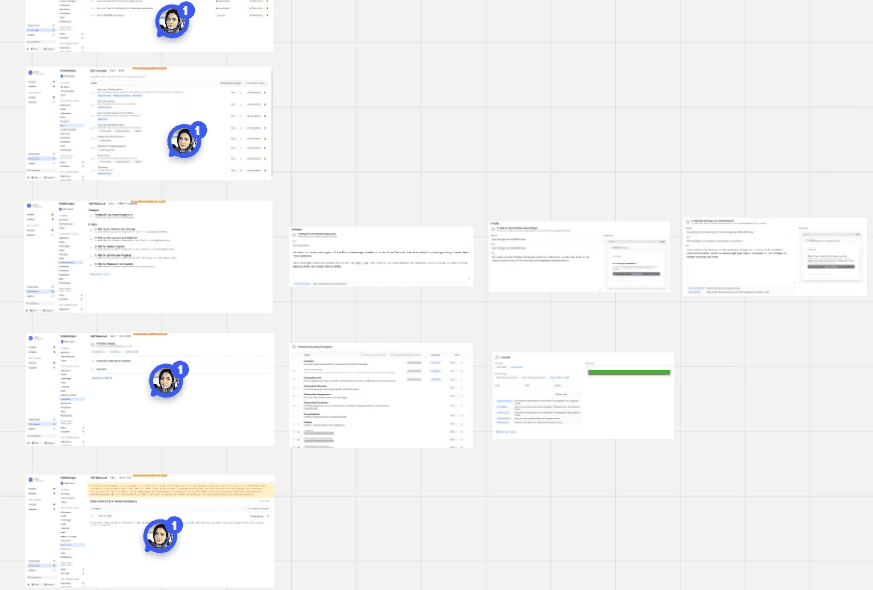
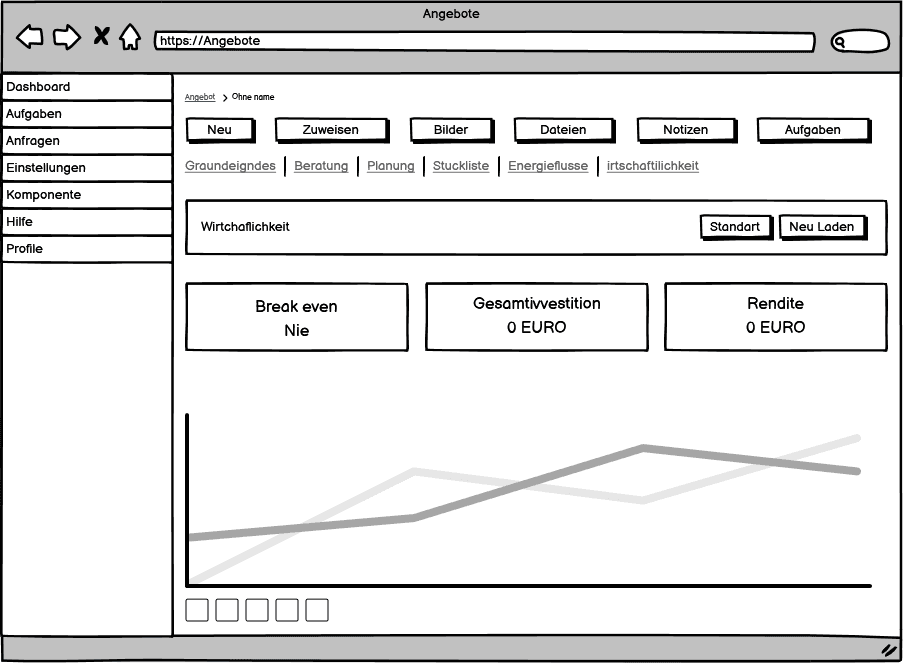
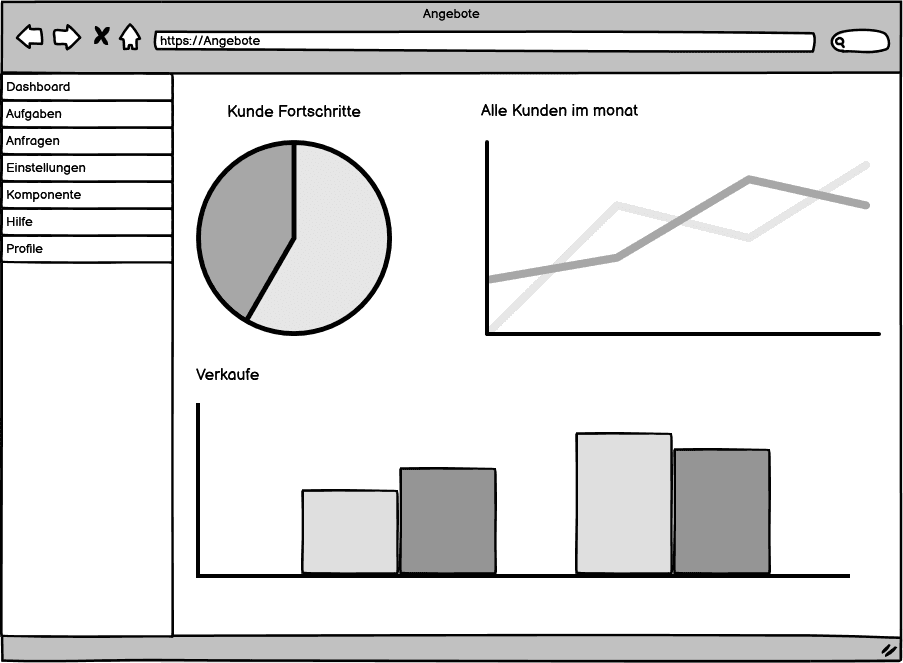
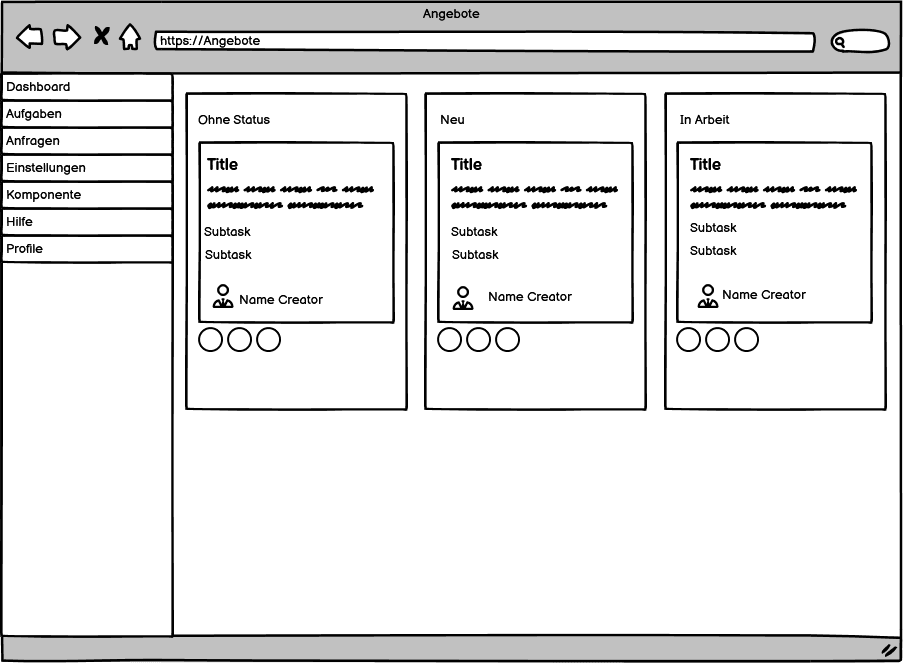
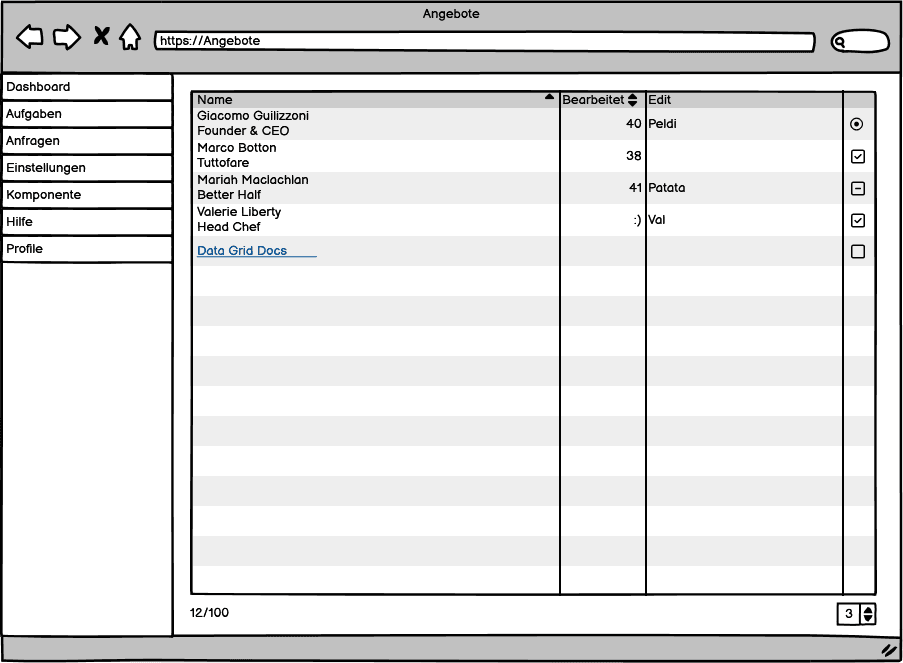
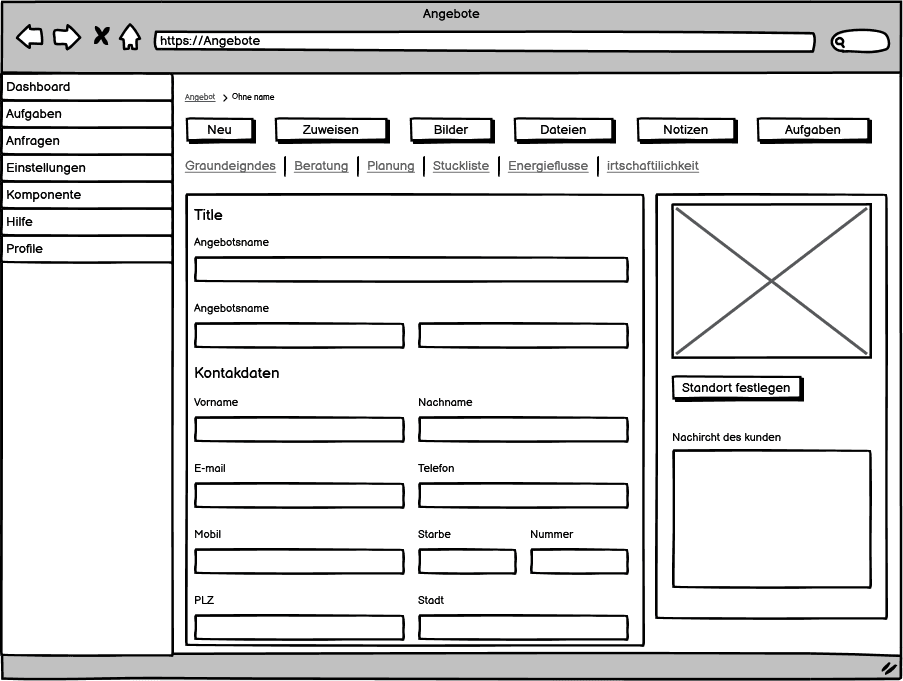
Wireframing
Purpose: Develop initial design sketches to visualize the user interface.
Wireframes serve as the foundation for the design, providing a visual representation of the layout, functionality, and user experience before moving to detailed design.
Remove Extra Features for Phase 2
Purpose: Prioritize essential features for the initial launch and defer non-critical features.
Simplifying the feature set for the first release helps focus on core functionality, allowing room for improvement in future phases.
Wireframe Confirmation
Purpose: Review and finalize wireframes with stakeholders before moving to the design stage.
Confirming wireframes ensures alignment across the team and avoids costly revisions later in the process.
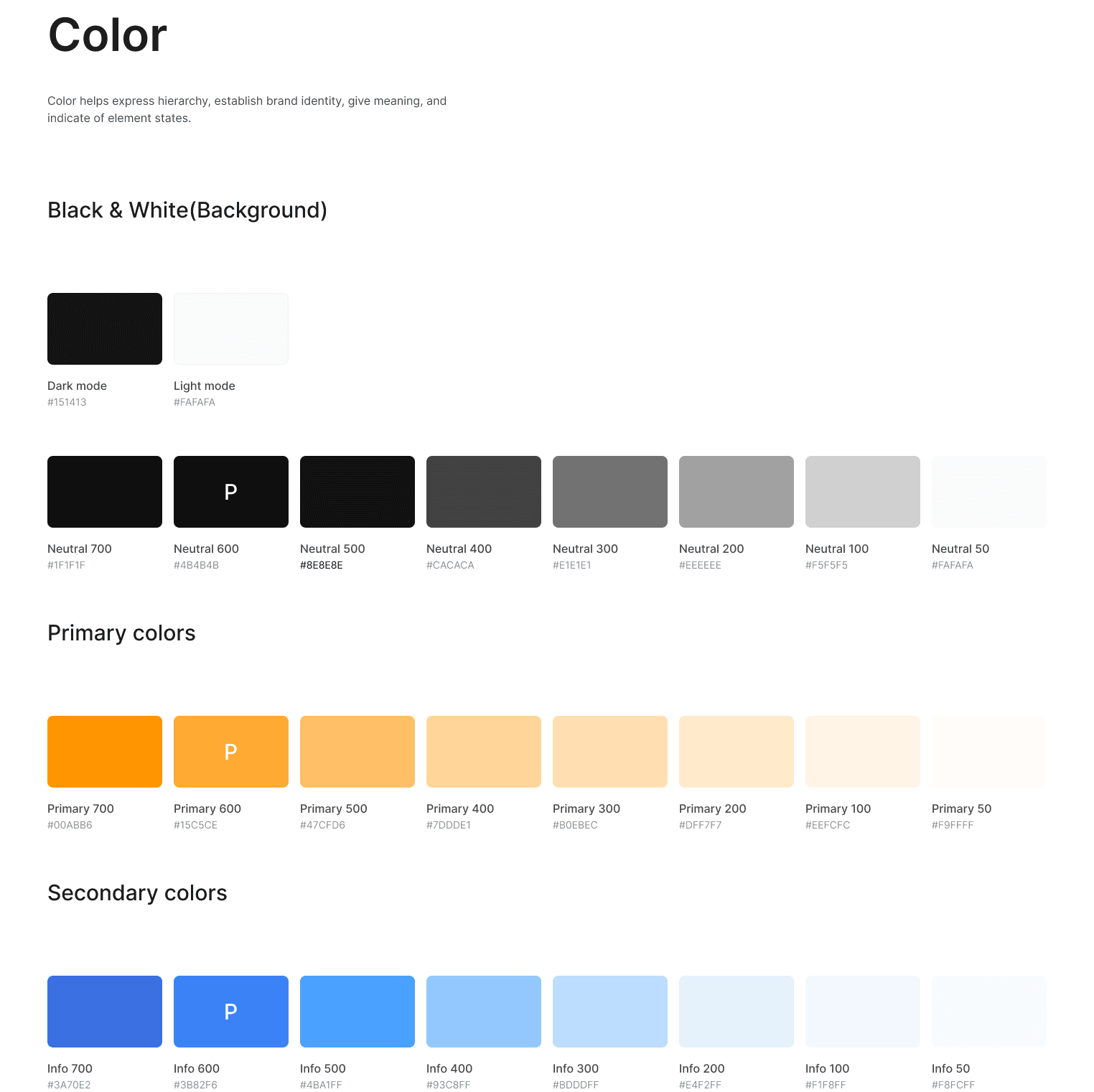
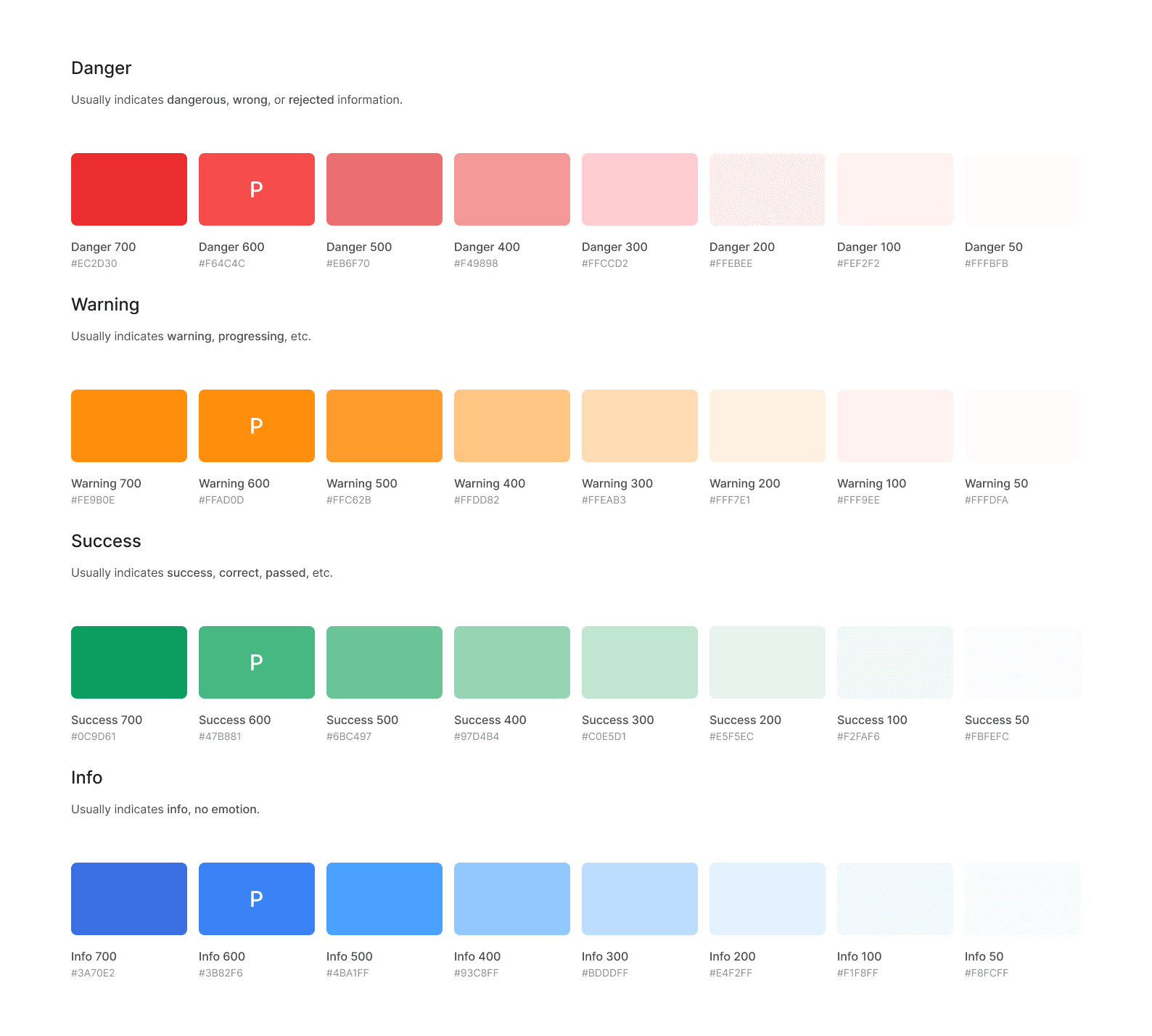
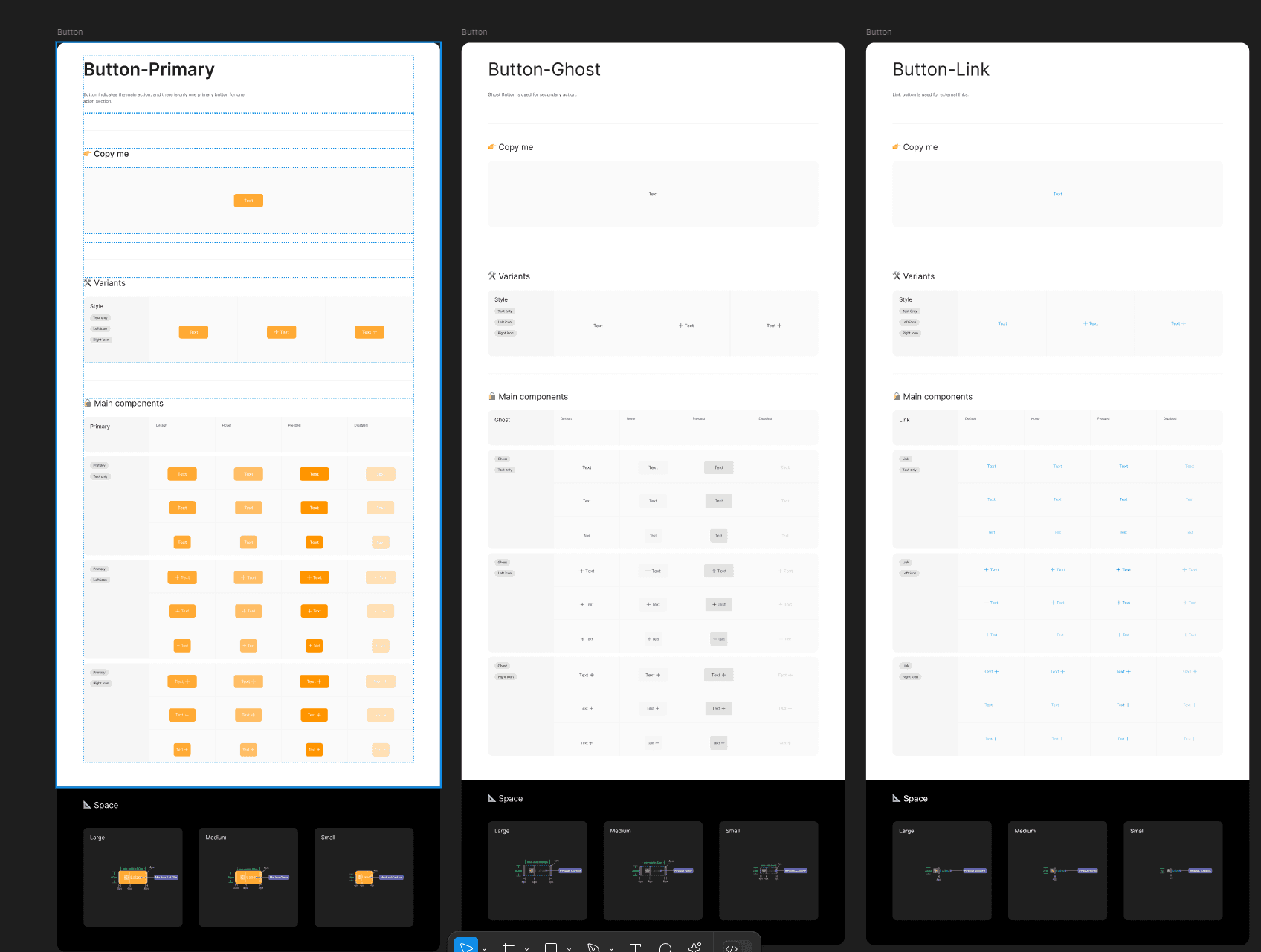
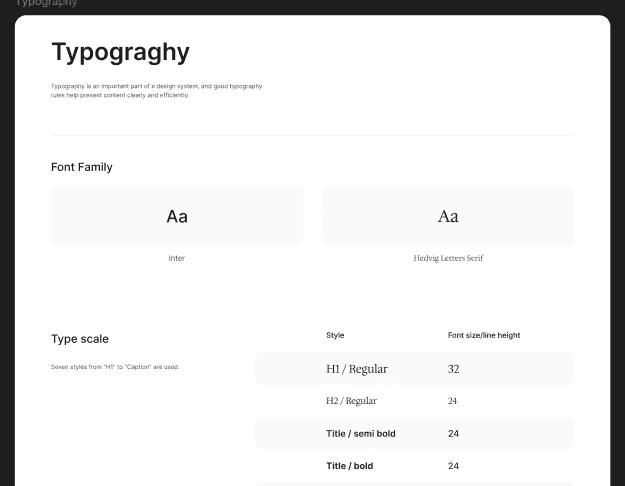
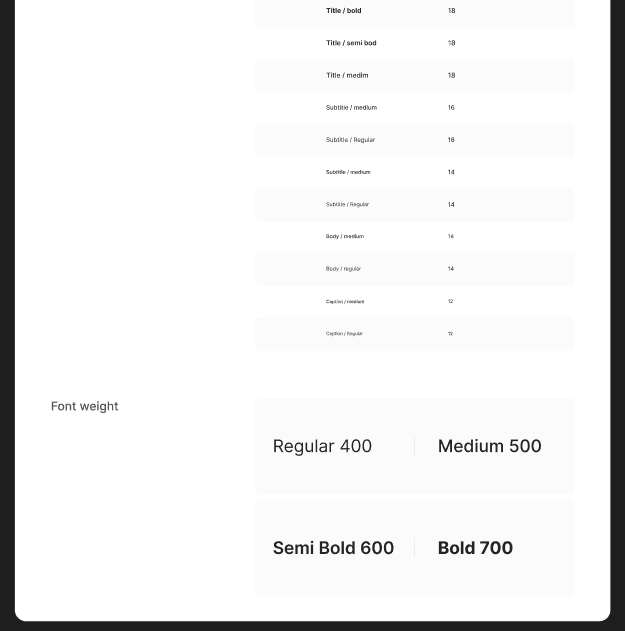
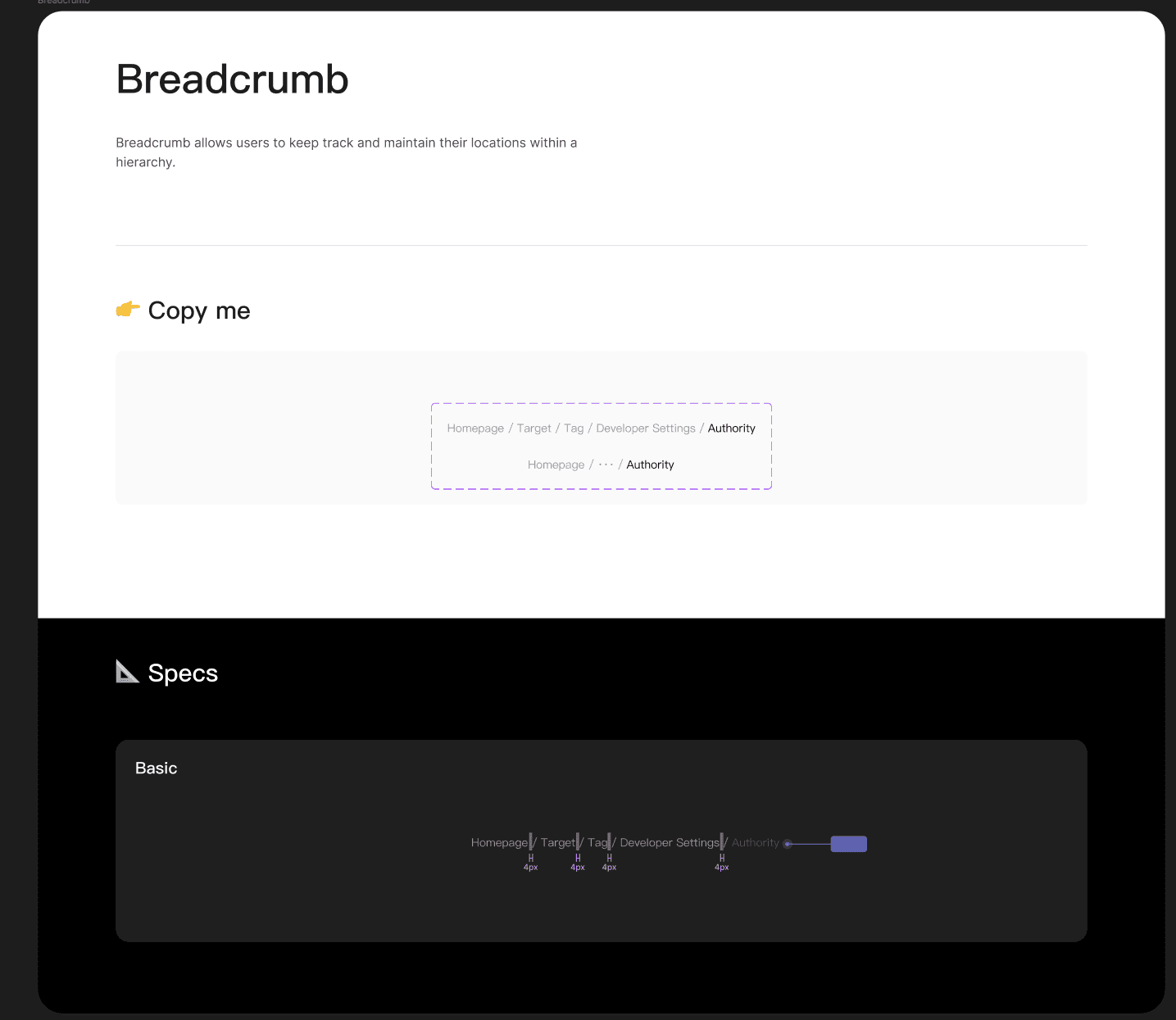
Design System Creation
Purpose: Establish a consistent visual and interaction framework for the project.
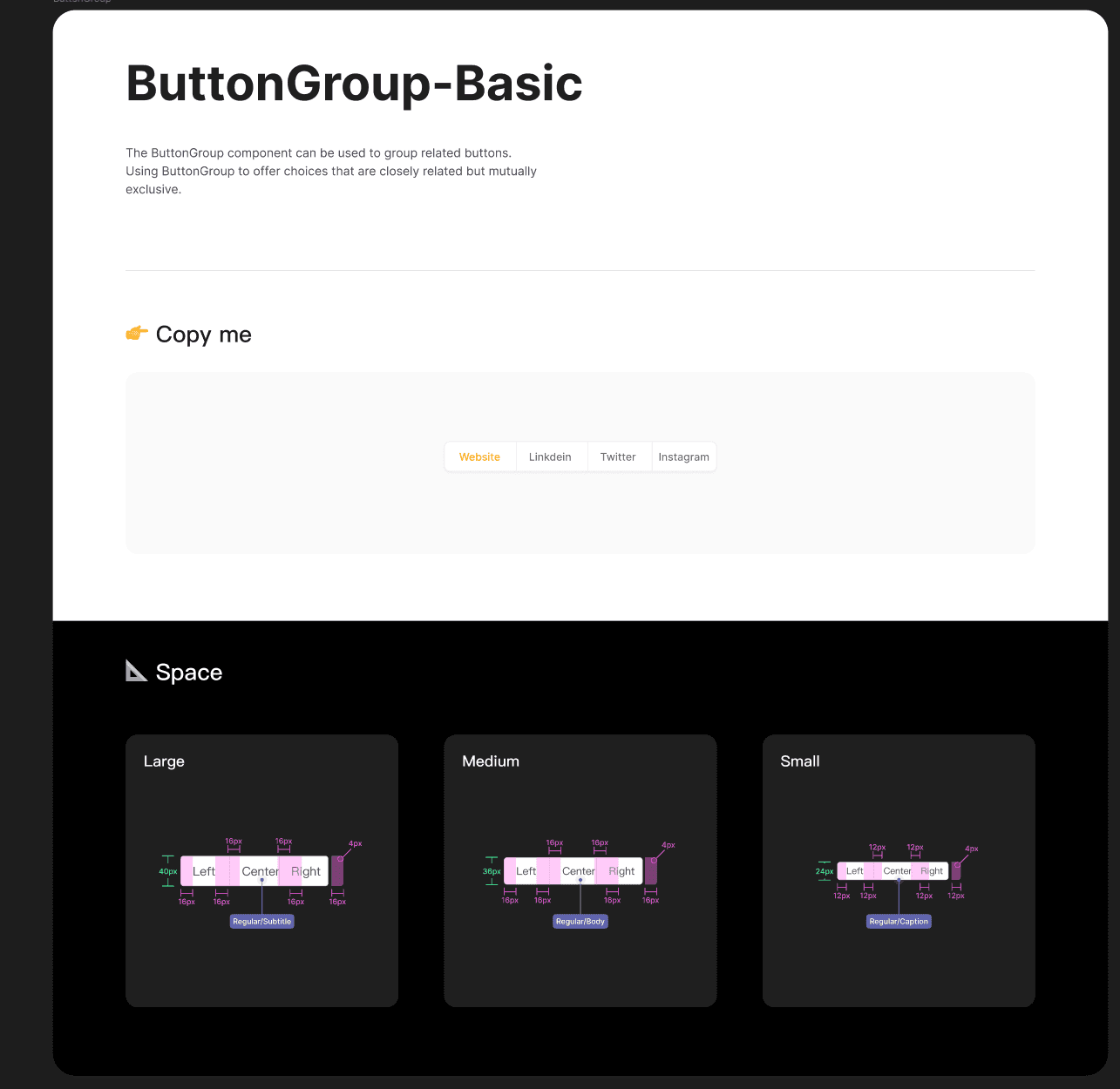
A design system standardizes elements such as typography, colors, and components, ensuring a cohesive look and feel across the platform.
Step-by-Step Design Execution
Purpose: Gradually build and review the design with the team to ensure accuracy and user satisfaction.
Designing incrementally and checking progress with the team helps refine the design in real time, reducing errors and improving collaboration.
Finalize the Design
Purpose: Polish and approve the final design, ensuring all elements are ready for development.
The finalized design represents the culmination of the iterative process, incorporating feedback and adjustments to meet project goals.
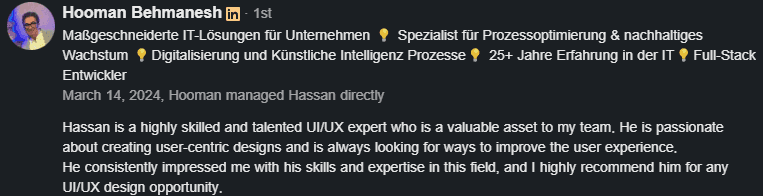
Founder Feedback
Purpose: Gather the founder’s thoughts on the design process and product outcome.
Collecting feedback from the founder allows for reflection on what worked well and what can be improved for future projects, fostering continuous improvement.
Each step is now well-structured, grammatically correct, and includes a brief explanation of its purpose, helping you move forward in a more organized and creative manner.